Kabbalah · Consciousness · Identity · 4 min read
From knowing to being: surrounding light and inner light.
The Kabbalistic reading of “I know all this and don't live it”: surrounding light waiting for a vessel, inner light that enters, and why practice is what turns knowledge into identity.
Idan YakovTranslated from Hebrew
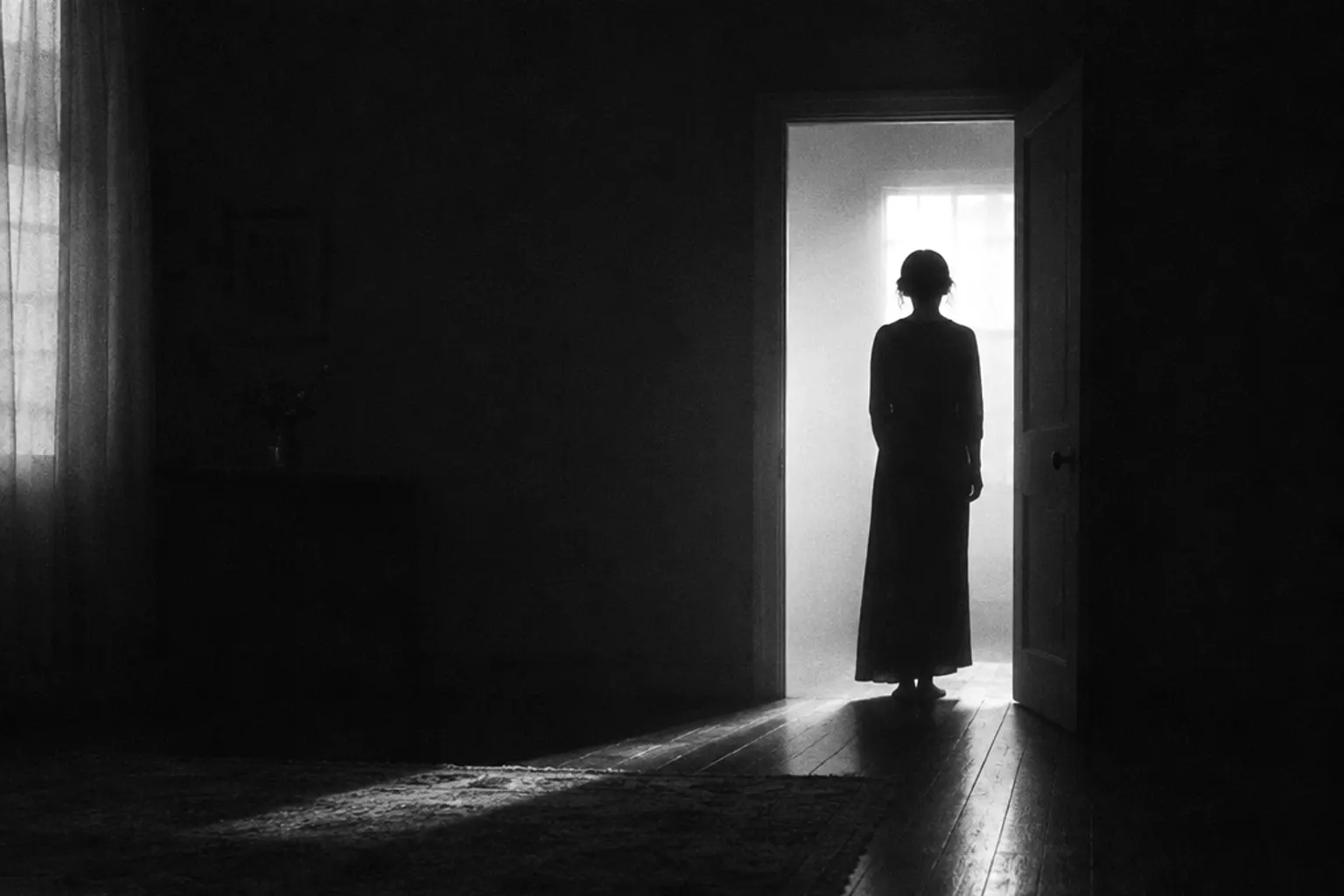
Knowledge you haven't applied doesn't disappear. It circles around you, waiting for room.
The idea
Kabbalah distinguishes between two kinds of light. Inner light (Or Pnimi) is the light that has entered the vessel and become part of it. Surrounding light (Or Makif) is the light that hasn't entered yet, because the vessel isn't ready for it. It doesn't disappear. It stays around the vessel, waiting for there to be room.
That's an exact description of what happens to most of the knowledge we collect. We've heard it, understood it, agreed with it, even taught it to others. But it still circles around us, not inside us. And whoever holds a lot of surrounding light sometimes feels pressure: “I know all this, why am I not there?”
What brings surrounding light inside isn't more knowledge. It's practice. “Every time I manage to actually apply what I know I need to do, my vessel grows.” Each application widens the vessel, and a wider vessel holds more of the light that was already there.
Here the balance between spirit and matter reaches its depth. Spirit is the knowledge, the understanding, the light. Matter is the practice: the small, repeated, unglamorous action. Whoever lives only in spirit knows a lot and changes little. Whoever lives only in matter does a lot and doesn't understand why. Real change happens when the light meets a vessel: when what you know becomes who you are.
How it shows up
In the feeling “I know all this” that doesn't change the day. In pressure that comes precisely in periods of great learning. In big inspiration from a workshop that vanishes within a week. In “a deep gap between knowing and realising”, as one participant wrote in the questionnaire.
An illustration (not a real client)
A workshop facilitator who has taught self-worth for ten years finds it hard herself to ask a business client for the full price. She can explain the subject in every detail. She decides to practise one thing only for a month: say the price, and stay quiet. The first time, her voice shakes. By the sixth, she notices she no longer explains.
The paradox is that whoever knows the most is sometimes furthest from living what they know, because the knowledge itself feels like progress.
The shift is from surrounding light to inner light: less new knowledge, more practice of existing knowledge, until it stops being something you know and becomes who you are.
In business
- Choose one principle you “know” (for example: let go of the repeated checking, state a price without apologising) and practise only that for a week.
- At the end of each day, ask not “what did I learn?” but “what did I do today out of what I know?”
- See pressure in periods of growth not only as a bad sign, but also as surrounding light: something big is waiting for a vessel, and the vessel is built through practice.
Practice
One question
Which principle do you know so well you could teach it, and still don't live it?
One action
Choose that principle. Write the smallest action that expresses it, and do it every day this week. At the end of the week, write what changed: not in what you know, but in who you are.
Go deeper: What is higher consciousness?
Read next
Identity · 3 min read
When learning is a respectable way to avoid.
Why “I'm not ready yet” feels like responsibility rather than fear, the trap of spirit in business, and how to tell when learning is protecting you from exposure.
Kabbalah · 2 min read
Pressure isn't always a sign that something is wrong.
Or Makif, “surrounding light”: in Kabbalah, pressure is sometimes light waiting to enter, while the vessel isn't ready yet.
Kabbalah · 3 min read
You receive according to who you are becoming.
Tzimtzum in Kabbalah: giving up automatic receiving in order to build a bigger vessel.