Kabbalah · Consciousness · 3 min read
“It's all for the good” isn't smiling when it hurts.
Gam zu letova, without denying pain. Bad as good that hasn't ripened yet.
Idan YakovTranslated from Hebrew
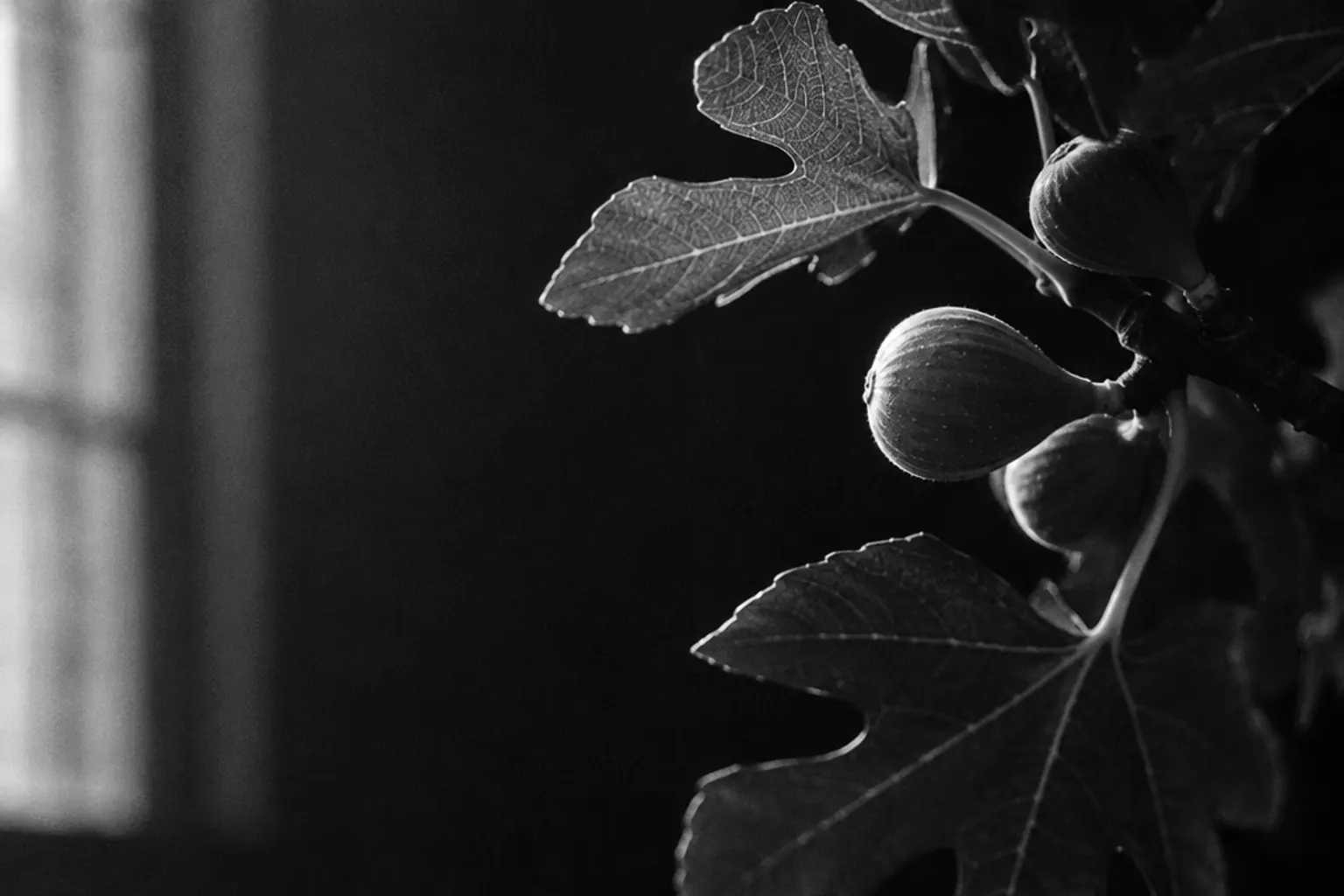
A green fruit isn't a bad fruit. It's a fruit that hasn't ripened yet.
The idea
“It's all for the good” is a sentence that's easy to say and hard to live. Sometimes it even hurts: when someone is in pain and you answer “it's all for the good”, it sounds like dismissal.
In our community classes we suggest a different reading, which appears in the sources: what looks bad is good that hasn't ripened yet. Like a green fruit, sour and bitter, that hasn't reached its time.
This isn't a promise that every hard thing will turn out to be a gift. It's a stance: not rushing to decide that it's “bad” and that's that. Leaving room for the possibility that you can't see the whole picture yet, and meanwhile asking what you can do with what there is.
How it shows up
A layoff, a client who leaves, a deal that falls through. The quick decision that “this is a disaster”, which blocks the ability to see what is still open.
An illustration (not a real client)
Imagine someone whose car is stolen the day before an important event. She starts shouting “why is this happening to me?”. A few hours later, talking with a friend, she realises that the same week she had also been postponing a decision she needed to make. The incident didn't “happen for” the decision, but it stops her, and she makes it.
The paradox is that “it's all for the good” works only when you don't use it to skip the pain.
First feel. Then ask. “Good that hasn't ripened” is an open question, not a slogan.
In business
- A client who cancelled a big deal, and freed exactly the time for the project that built the business.
- A partnership that fell apart and forced you to build a system that doesn't depend on one person.
- Important: not every loss turns out to be a gain. But often, what you do after the loss decides more than the loss itself.
Practice
One question
What happened to me that I quickly decided was “bad”, and that perhaps hasn't ripened yet?
One action
Write one hard event from the past year. Beneath it: what it made possible or taught, even if I didn't ask for it. If there's no answer yet, that's fine. Leave the line open.
Read next

Consciousness · 2 min read
Pain is inevitable. Suffering is already a story.
The event hurts. Our interpretation of it is what turns a painful moment into a loop of weeks.
Kabbalah · 2 min read
What hides the light also protects it.
Klipot in Kabbalah: our defences, and why it hurts when they crack, and also illuminates.